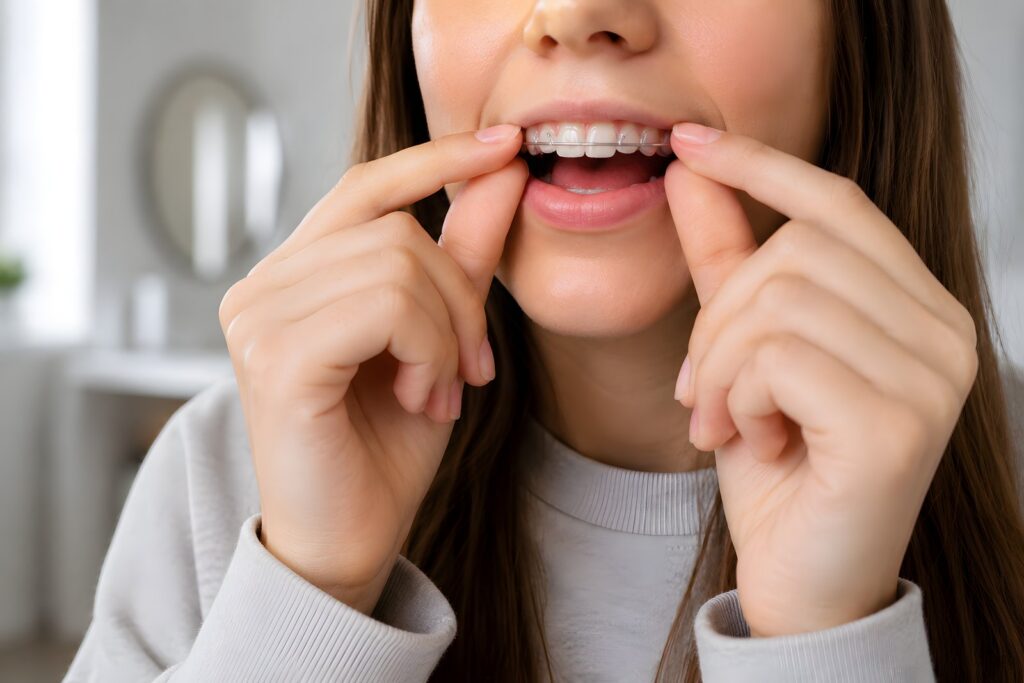
Braces are often pictured on middle schoolers, but plenty of adults ask themselves the same question years later: is it too late to fix a smile that shifted after braces came off, or one that was never treated at all? Life gets busy, retainers get lost or forgotten, and a bite that once felt fine can start to feel crowded, achy, or simply less confident to show off in photos and meetings alike.
We hear this question often, and the answer is almost always yes. Adults make up a growing share of the patients we see for orthodontic care for adults, whether they are correcting relapse from a teenage treatment or choosing braces for the first time as a working professional, parent, or retiree.
Why Your Smile Can Shift Long After Braces
Teeth are not locked into place once braces come off. The ligaments and bone that hold each tooth respond to pressure throughout adulthood, so everyday forces like chewing, clenching, or the slow push of wisdom teeth can nudge a smile out of alignment over the years. Retainers exist specifically to counter this, but a retainer that gets worn less often, cracks, or no longer fits after gum or jaw changes leaves teeth free to drift.
Adults who never had braces as a teenager have their own reasons for crowding or spacing to appear, from gum recession that loosens tooth support to jaw changes that continue quietly well past the teenage years. Whatever the cause, the shift is rarely as dramatic as it feels, and it can typically be corrected with clear aligner treatment for adults or another approach suited to how the teeth have moved.
What Orthodontic Retreatment at Our Practice Involves
Retreatment starts the same way any new patient visit does, with a close look at how the teeth, bite, and jaw are functioning together now, not just how they looked in old photos. We compare current alignment against prior records when they are available and talk through what changed and why.
Evaluating Your Smile Today
During an orthodontic evaluation, we check for crowding, spacing, bite pressure, and any signs of wear on the teeth that can point to grinding or clenching. This gives us a clear picture of whether retreatment can be handled with a shorter, more limited course of treatment or whether a fuller plan makes more sense.
Choosing a Retreatment Approach That Fits Your Life
Adults returning for retreatment usually want options that fit around a career, family schedule, or social calendar. We can typically offer these choices as part of an efficient orthodontic retreatment plan:
- Clear aligners that shift teeth gradually with virtually invisible trays
- Traditional metal or ceramic braces for more complex movement
- A refreshed retainer plan alone, when relapse is mild
- Coordinated care with a family dentist when gum health needs attention first
Once we settle on the right path together, most retreatment plans move faster than a first round of braces because the teeth typically need to travel a shorter distance back toward their corrected position.
How Adult Treatment Differs From Treatment for Teens
Adult patients tend to ask sharper questions about timeline, appearance, and how treatment may look at work or in photos, and we plan around those priorities from the first visit. Many adults also arrive with a bite that has been compensating for years, so we pay close attention to jaw joint comfort alongside the teeth themselves, because jaw discomfort can sometimes surface once a bite starts to shift back into place.
Recent survey research found that most older adults remain interested in orthodontic treatment even when they view age as a barrier to starting, a reminder that the desire for a straighter smile does not fade with time. Dr. Heather McCullum brings more than 14 years of orthodontic experience to these conversations, along with training from the University of Louisville School of Dentistry and a residency research background focused on patient safety during treatment. Many adult patients feel more at ease once they learn about Dr. McCullum’s training and approach to care.
Scheduling Your Adult Orthodontic Consultation With McCullum Orthodontics
We built McCullum Orthodontics around the idea that a confident smile should not have an age limit. Whether a smile is quietly shifting years after childhood braces or an adult is choosing treatment for the first time, we tailor retreatment plans around real schedules, comfort, and how a smile looks in professional and everyday settings alike, all inside a practice that treats patients of every age with the same warm, personal attention Jeffersonville families have come to expect from us.
If a smile that once looked straight has started to shift, or if braces were never part of the picture growing up, we would like to talk through the options with you. Contact our office to schedule a consultation and find out what adult orthodontic treatment or retreatment could look like for your smile.