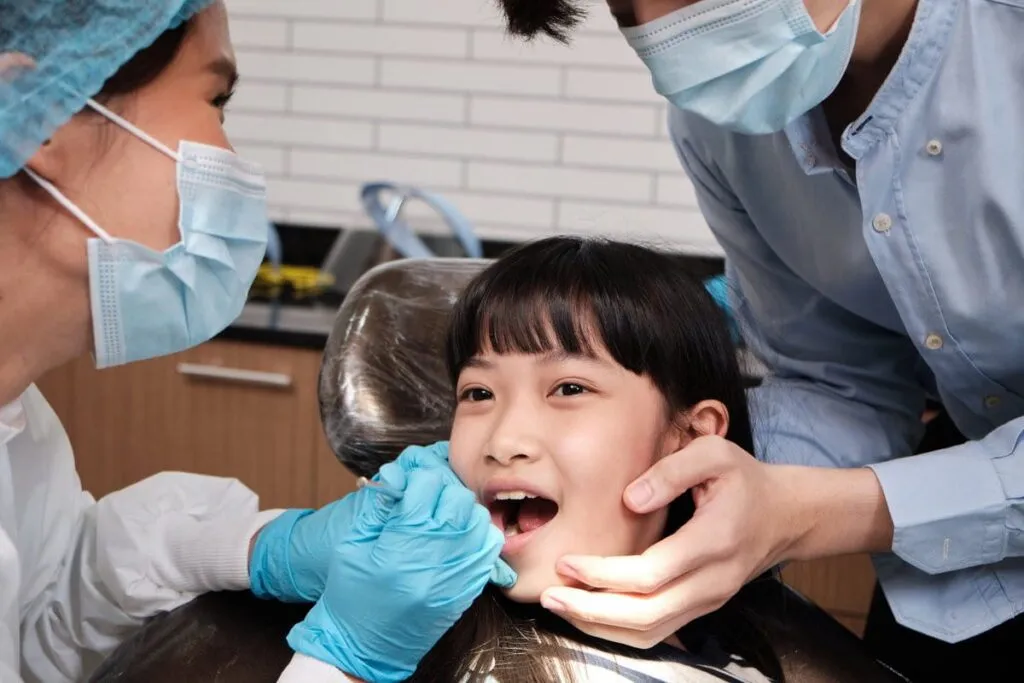
Some smiles need a little extra time to grow into themselves, but sometimes a subtle shift in your child’s bite or jaw is a sign worth catching early. Recognizing the warning signs now can save your child from more complex treatment down the road, and we are here to help you spot them.
At McCullum Orthodontics, we specialize in guiding young smiles through every stage of development, including the early years when small interventions can make a big difference. Our team has spent more than a decade helping families throughout Jeffersonville understand when early treatment matters and when it is best to simply keep watching and waiting.
What Is Phase 1 Orthodontic Treatment?
Phase 1, or early interceptive treatment, typically begins between ages six and 10, while your child still has a mix of baby and permanent teeth. The American Association of Orthodontists recommends every child have their first orthodontic evaluation by age seven, since many children have enough permanent teeth by then for an orthodontist to spot developing issues before they become bigger problems.
This early window matters because your child’s jaw is still growing and responsive to guidance. Rather than waiting until all the permanent teeth arrive, we can use this time to correct the underlying cause of a problem, not just the symptom. Depending on what we find, this might mean guiding jaw growth, creating room for crowded teeth, or addressing a habit before it affects your child’s bite long term. You can learn more about our approach to early intervention and how it fits into your child’s overall treatment plan.
Signs Your Child May Need Early Treatment
Every child develops differently, and most kids never need Phase 1 treatment at all. Still, there are a handful of signs that tell us it may be time for a closer look.
- Crowding or spacing: Teeth that come in overlapped, twisted, or with unusually large gaps between them
- Early or late tooth loss: Baby teeth that fall out well before or after they typically should
- Difficulty biting or chewing: Trouble comfortably biting into food or chewing on one side of the mouth
- Jaw shifting or clicking: A jaw that shifts to one side when your child closes their mouth or makes a clicking sound
- Thumb sucking or mouth breathing: Habits that continue past the toddler years and start to affect tooth or jaw alignment
- Protruding teeth: Front teeth that stick out farther than the rest, which can be more vulnerable to injury
If you notice any of these signs, an evaluation can help you understand what is happening and whether treatment now would be helpful. We will always explain what we see in plain terms and let you know if the best next step is simply to keep monitoring your child’s growth.
Why Early Evaluation Matters, Even Without Treatment
An early evaluation is not just about starting treatment right away. In many cases, it gives us a baseline for your child’s development, so we can track changes at future visits and step in only if it truly helps. Waiting until every permanent tooth has erupted can sometimes make certain corrections harder, so identifying an issue while your child is still growing gives us more options.
This is one of the reasons airway focused orthodontics has become such an important part of what we do. When a child’s jaw or breathing patterns are affecting their development, we look at the full picture rather than just the teeth in front of us. Our airway focused orthodontics and dentofacial orthopedics services are designed with this kind of whole child approach in mind.
What Early Treatment Can Look Like
If we do recommend Phase 1 treatment, the plan is always tailored to your child’s specific needs. Depending on what we find during the evaluation, this may involve a palatal expander to gradually widen a narrow upper jaw, or a space maintainer to hold room open for a permanent tooth after early tooth loss.
In some cases, a second phase of treatment is still recommended once all the permanent teeth have come in, so those teeth can be guided into their best final position. Early treatment does not always eliminate the need for future care, but it can make that later treatment shorter or simpler when it is needed.
Meet the Team at McCullum Orthodontics
Dr. Heather McCullum brings 15 years of orthodontic experience to every family who walks through our door, along with a special focus on airway focused orthodontics and early intervention. She grew up in Southern Indiana and has built her Jeffersonville practice around the same small town warmth she experienced growing up here, treating patients of all ages in a modern space that still feels personal.
If you have noticed any of the signs above, or you simply want peace of mind about your child’s dental development, we would love to see you. You can schedule a consultation with our team and get real answers about what your child’s smile needs, whether that is early treatment or simply a plan to keep watching as they grow.