Medically Reviewed by Dr. Heather McCullum, DMD on September 11, 2026
A persistent ache near your ear, a clicking or popping sound every time you open your mouth, or a tightness in your jaw that stays with you throughout the day are all signs that something may be off with your temporomandibular joint. Temporomandibular joint (TMJ) disorder affects millions of Americans and can interfere with eating, speaking, and sleeping. For many patients, the discomfort comes and goes at first, only to gradually intensify into something more chronic and disruptive.
At McCullum Orthodontics in Jeffersonville, Indiana, we approach TMD diagnosis and treatment as a core part of full-spectrum orthodontic care. Dr. Heather McCullum graduated valedictorian from the University of Louisville School of Dentistry, earned her degree summa cum laude, and has over 14 years of clinical experience helping patients achieve healthier jaw function. Her background in jaw joint disorders, combined with a commitment to personalized and precise care, makes McCullum Orthodontics a trusted resource for TMJ relief in Southern Indiana.
What Causes TMJ Disorder?
The temporomandibular joint acts as a hinge that connects your jaw to your skull, enabling you to chew, speak, and yawn. When this joint is stressed or misaligned, it can produce a wide range of symptoms, including jaw pain, popping sounds, earaches, and headaches. Common causes include teeth grinding (bruxism), bite misalignment, joint inflammation, and stress-related jaw clenching.
Since these triggers often overlap and present differently from patient to patient, a proper diagnosis is essential for identifying which factors are driving your symptoms and how best to address them. Left untreated, TMJ disorder can compound and become increasingly difficult to manage.
How Splint Therapy Relieves Jaw Discomfort
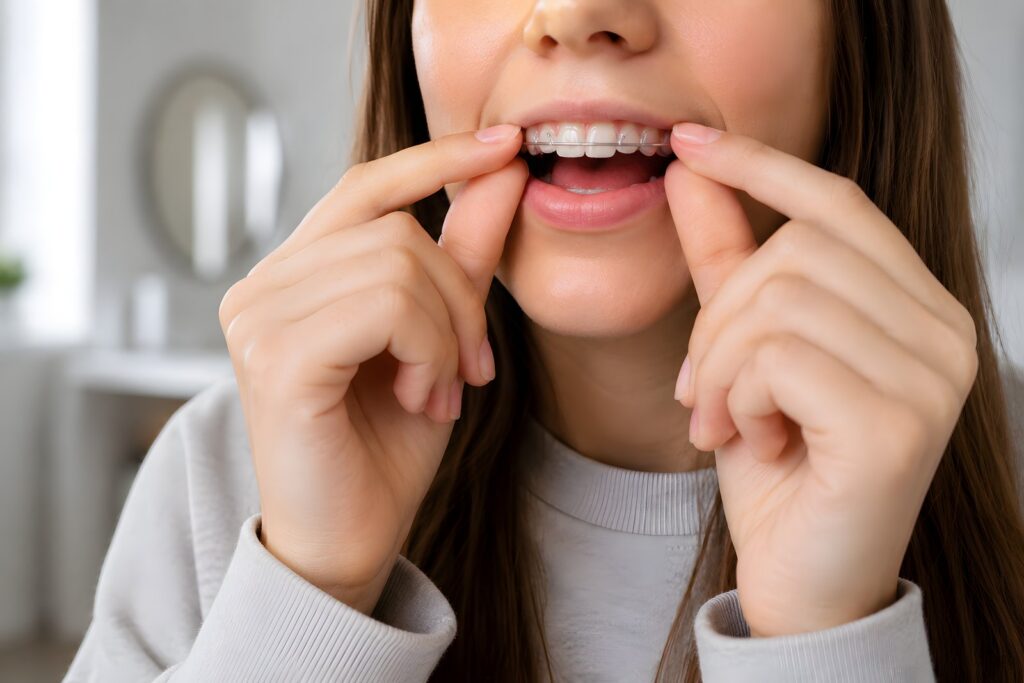
Splint therapy involves wearing a custom-fitted oral appliance, sometimes called a bite guard or occlusal splint, over the upper or lower teeth. The appliance works by gently repositioning the jaw into a more stable, balanced position, which reduces strain on the joint and relaxes overworked surrounding muscles. It also interrupts the cycle of grinding and clenching that often worsens TMJ pain over time.
According to research published in the National Library of Medicine, occlusal splints are effective at reducing TMD symptoms in most patients, including jaw pain, clicking, bruxism, and tension headaches. Since splint therapy is non-invasive and fully reversible, it is typically recommended as a first-line treatment before more involved interventions are considered.
Signs You May Be a Good Candidate for Splint Therapy
Splint therapy tends to be especially effective for patients experiencing a combination of the following symptoms:
- Chronic jaw pain, soreness, or facial tension
- Clicking or popping when opening and closing the mouth
- Frequent headaches, particularly in the morning
- Teeth grinding or clenching, often during sleep
- Difficulty opening the mouth fully or episodes of jaw locking
If any of these apply to you, scheduling a comprehensive evaluation with a qualified orthodontist is the right first step.
What to Expect from Splint Therapy Treatment
The process begins with a thorough evaluation of your bite, jaw movement, and presenting symptoms to establish an accurate diagnosis. Once the most appropriate appliance type is determined, a custom TMJ splint is fabricated to fit your teeth precisely, providing the accurate positioning that a generic over-the-counter device can’t.
Most patients wear the appliance primarily at night, though daytime use may also be recommended depending on the severity of symptoms. Throughout the process, follow-up appointments allow Dr. McCullum to assess your response, make any needed adjustments, and fine-tune the treatment plan to ensure you are progressing toward lasting relief.
How Long Splint Therapy Typically Lasts
The length of treatment depends on the severity of your symptoms and how your jaw responds to the appliance. Some patients notice meaningful relief within a few weeks of consistent nightly wear, while others benefit from several months of splint therapy alongside adjustments to habits such as clenching or grinding. A smaller number of patients wear a splint on an ongoing basis to manage a chronic grinding habit, similar to how a retainer is worn long term to maintain orthodontic results. We reassess your progress at each follow-up visit rather than committing to a fixed timeline upfront.
Other Approaches That May Complement Splint Therapy
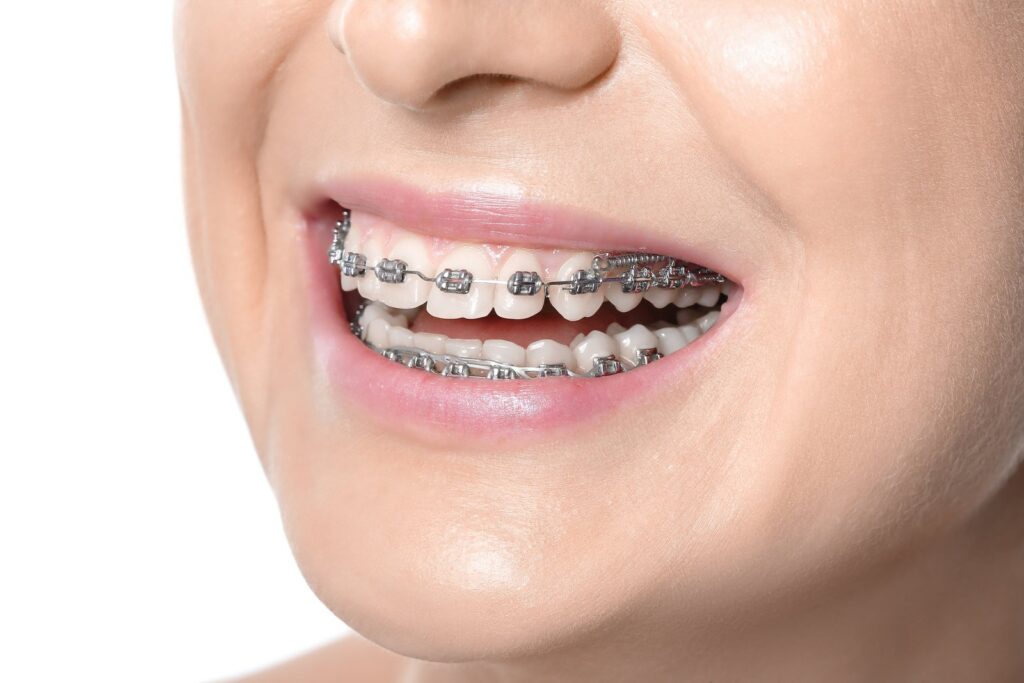
Splint therapy addresses the mechanical side of TMJ disorder, but a few supporting habits can help symptoms improve more consistently. Applying a warm compress to the jaw muscles, sticking to softer foods during a flare-up, and being mindful of clenching during stressful moments in the day can all reduce strain on the joint alongside your splint. Patients whose TMJ symptoms are closely tied to bite alignment may also be candidates for orthodontic treatment that corrects the underlying bite over time, which we can discuss during your evaluation if splint therapy alone does not fully resolve your symptoms.
How We Diagnose TMJ Disorder
A thorough diagnosis starts with a conversation about your symptoms, including when they started, what makes them better or worse, and whether you notice grinding or clenching at night. We examine how your jaw moves, listen for clicking or popping during opening and closing, and check your bite for signs of uneven wear that often point to a grinding habit. In some cases, imaging of the jaw joint helps confirm what is driving your symptoms before we recommend a specific splint design. This step matters because TMJ symptoms can have more than one contributing cause, and a splint built around the wrong diagnosis is less likely to bring the relief you are looking for.
Living With TMJ Symptoms Day to Day
Many patients describe TMJ discomfort as something that flares up around stress, long workdays, or periods of poor sleep, rather than staying constant. Keeping a simple log of when your jaw pain, headaches, or clicking tend to occur can help us connect your symptoms to specific triggers, whether that is a stressful season at work, a habit of chewing gum throughout the day, or clenching during concentration. Sharing that pattern with us at your evaluation often speeds up the process of finding the right combination of splint therapy and supporting habits for your specific case.
Find TMJ Pain Relief at McCullum Orthodontics
Dr. Heather McCullum brings clinical excellence and a warm, patient-centered approach to every case she treats. A recipient of the American Association of Orthodontists Award, a summa cum laude graduate, and a former class president during her orthodontic residency at the University of Louisville, she combines outstanding credentials with a true investment in each patient’s well-being. At our Jeffersonville practice, we provide comprehensive TMJ and TMD care within a modern, comfortable environment tailored to patients of all ages across Southern Indiana. Patients curious about how jaw alignment relates to other orthodontic concerns may also want to review our page on orthodontic consultations.
If jaw pain, facial tension, or persistent clicking are affecting your quality of life, we are here to help. Whether your symptoms are mild or have been building for years, Dr. McCullum will take the time to thoroughly evaluate your condition and develop a plan built around your specific needs. Contact our office today to schedule a consultation and get ready for lasting relief from TMJ discomfort.
Frequently Asked Questions About Splint Therapy for TMJ
Is a TMJ splint the same as a mouthguard from the drugstore?
No. A custom TMJ splint is fabricated from an impression of your teeth and jaw position, allowing it to provide precise, individualized support. A generic over-the-counter guard cannot replicate that level of positioning and may not address the underlying cause of your symptoms.
Can TMJ disorder go away without treatment?
Mild, occasional symptoms sometimes resolve with rest and reduced stress on the jaw. Persistent or worsening symptoms, such as regular clicking, pain, or locking, typically benefit from a proper evaluation rather than waiting for the condition to resolve on its own.
Do I need to wear my splint every night?
Most patients are asked to wear their splint nightly for consistent results, since irregular use can slow progress. Dr. McCullum will give you specific guidance based on your symptoms and how your jaw responds during follow-up visits.
Will splint therapy fix my bite permanently?
Splint therapy is designed to relieve TMJ symptoms and reduce strain on the joint rather than permanently move teeth. If your bite is contributing to your symptoms, orthodontic treatment may be discussed separately as a longer-term solution.
Can children or teens develop TMJ disorder?
Yes, though it is less common than in adults. Teeth grinding, stress, or bite misalignment can contribute to jaw joint symptoms in younger patients, and an evaluation can determine whether splint therapy or another approach is appropriate.