Medically Reviewed by Dr. Heather McCullum, DMD on September 11, 2026
Staring at a treatment plan and picturing the next year or two with a mouthful of visible metal can be enough to make anyone hesitate, especially if there is a work presentation, a school photo, or a first date somewhere on the calendar. The good news is that visible metal is no longer the only path to straighter teeth, and the choice between two similar-looking options can change how comfortable someone feels every single day of treatment.
At McCullum Orthodontics, we offer both ceramic braces and traditional metal braces, and Dr. Heather McCullum walks every patient through the tradeoffs before a plan is finalized. Knowing what sets these two options apart may help you feel more confident about which one fits your lifestyle, treatment goals, and budget.
What Are Ceramic Braces Made Of?
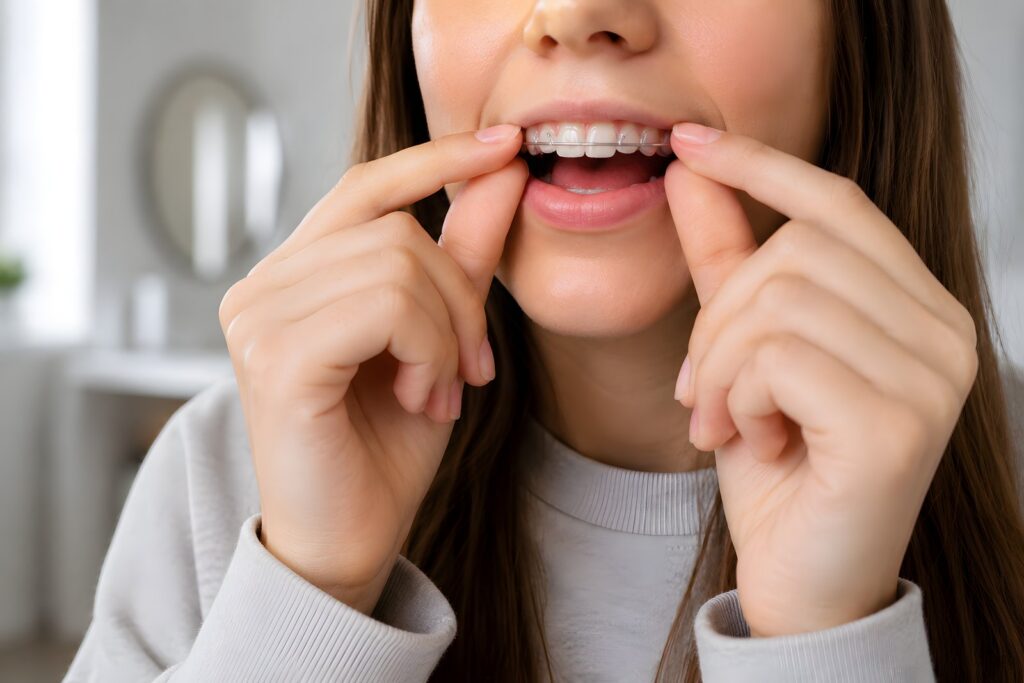
Ceramic braces use brackets made from a tooth colored or clear composite material rather than stainless steel. The wire connecting the brackets still guides the teeth into position, but the brackets themselves blend in with the natural color of the teeth. This makes ceramic braces a popular choice for teens and adults who want the effectiveness of fixed braces without the visibility of metal.
Because ceramic brackets are slightly larger than metal ones, they can feel a bit more noticeable to the tongue at first. Most patients adjust within a week or two, and the tradeoff is a bracket that reflects light differently than metal, making it far less noticeable in photos or in conversation.
What Metal Braces Are Made Of
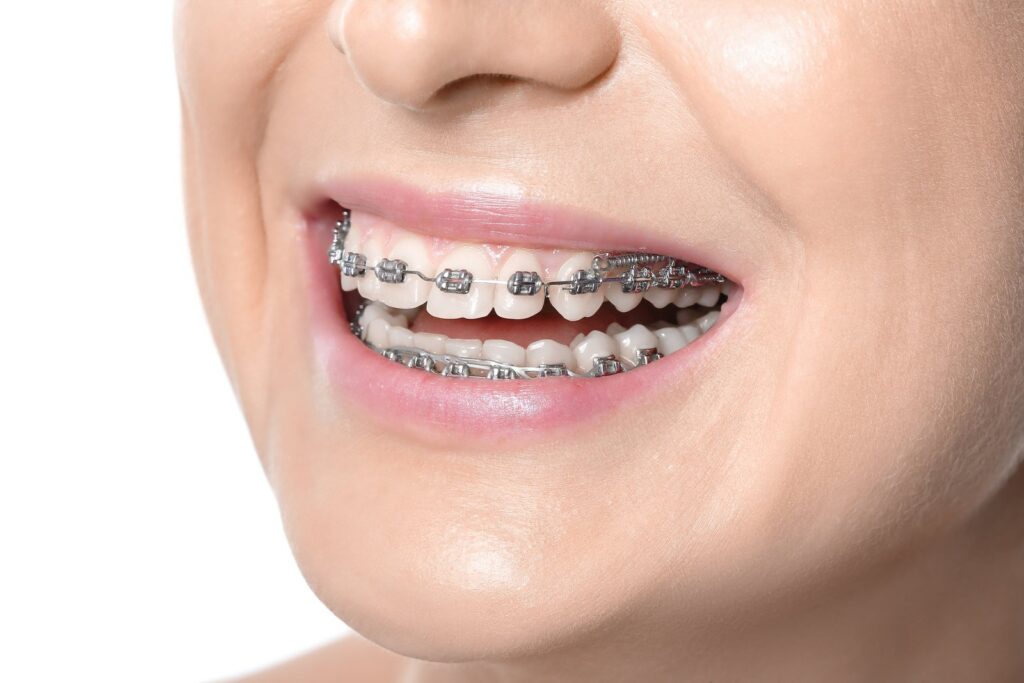
Traditional metal braces use stainless steel brackets and wires, a design that has been refined for decades and remains one of the most reliable ways to move teeth. Metal brackets are smaller than ceramic ones and tend to be the most budget-friendly option among fixed braces, which matters for families weighing treatment costs against insurance coverage.
Modern metal brackets are also lower-profile than the braces many parents remember from their own childhood, and colored bands offer younger patients a chance to personalize their smile during treatment.
Comparing Durability, Staining, and Comfort
Metal brackets hold up extremely well against the everyday forces of chewing and biting, which is part of why they remain a first choice for complex bite corrections. Ceramic brackets are strong as well, though they can be more prone to chipping or breaking under significant pressure, so patients in contact sports or with heavy grinding habits may want to discuss this with our team before choosing ceramic.
One trade-off with ceramic braces is the clear or white elastic ties that hold the wire in place, which can pick up stains from coffee, tea, or dark sauces between adjustment visits. A 2022 in vitro study on ceramic bracket materials, published in the National Library of Medicine, found that color change occurred in every material tested, with coffee producing the most staining, which is a helpful reminder for anyone deciding between the two options. Metal brackets do not stain because the steel surface simply is not affected by food or drink the way a composite material can be.
Neither option requires special products beyond consistent brushing and flossing, though patients who choose ceramic may want to rinse after dark beverages to help the ties stay bright between appointments.
Caring for Ceramic and Metal Braces at Home
Both bracket types are cleaned the same basic way, with a soft-bristled or orthodontic toothbrush, fluoride toothpaste, and a floss threader or water flosser to reach beneath the archwire. A few habits matter more for one type than the other. Ceramic patients benefit from rinsing promptly after coffee, tea, or tomato-based sauces, since the elastic ties absorb color more readily than steel does. Metal patients should pay closer attention to hard and sticky foods, since a bent wire or a popped bracket can happen more easily with a smaller, more rigid bracket design.
Both types call for the same list of foods to approach carefully: popcorn, ice, hard candy, and very chewy items such as caramel or taffy. Avoiding these consistently is one of the simplest ways to keep either type of braces on schedule and avoid an unplanned repair visit.
Which Option Fits Your Lifestyle?
Choosing between ceramic and metal braces often comes down to a short list of personal priorities rather than one option being universally better than the other. Before your consultation, it may help to think through the following questions:
- How much does the appearance of braces during the school year or workday matter to you
- Are you involved in contact sports or activities where a more durable bracket may be worth considering
- Does your budget or insurance plan make one option more practical than the other
- Are you comfortable with a bit of extra care around foods and drinks that cause stains?
Once you have talked through these questions, our team can help narrow down the choice further based on your specific bite and treatment goals. Patients who want braces for teens often lean toward ceramic braces for cosmetic benefits during high school, while younger children often do well with metal braces due to their durability and lower cost.
What Cost and Financing Typically Look Like
Ceramic braces are generally priced somewhat higher than metal braces, largely because of the material cost of the brackets themselves, though the difference is often smaller than patients expect once a full treatment plan is quoted. Every case is different, so an exact comparison only becomes clear after your evaluation. We work with most major insurance plans and offer flexible monthly payment plans so that cosmetic preference does not have to be the deciding factor if ceramic is the better clinical fit for your case, or vice versa.
A Day in the Life With Either Type of Braces
Once brackets are bonded and the first archwire is in place, day-to-day life with ceramic or metal braces looks remarkably similar. Most patients notice mild soreness for a few days after placement and after each adjustment, which typically eases with over-the-counter pain relief and softer foods for a short stretch. Speech may feel slightly different for the first week, and both bracket types require a bit more time at the sink for brushing and flossing. Regular adjustment visits, usually every four to eight weeks, are where our team checks progress and makes the small wire changes that keep treatment moving toward your goals.
Straighten Your Smile With Braces at McCullum Orthodontics
Dr. McCullum brings over a decade of clinical experience to every consultation, and that background shapes how she talks through options like ceramic versus metal braces. Rather than defaulting to one recommendation, she looks at your bite, your goals, and the realities of your daily routine, then explains how each bracket type may affect your treatment timeline and your day-to-day comfort. Patients who want a completely different approach can also ask about our clear aligners, which may be a good fit for certain bite corrections, or explore what a consultation at our office involves before committing to a plan.
Whichever bracket type ends up being right for you, our goal is a smile you feel good about and a treatment experience that fits into your actual life, not just a textbook plan. If you are ready to talk through your options with our team, you can reach out to schedule a consultation and get a clear answer on which braces may be the best match for your smile.
Frequently Asked Questions About Ceramic and Metal Braces
Are ceramic braces as effective as metal braces?
Ceramic braces move teeth using the same basic mechanics as metal braces and can achieve similar results for many cases. Metal brackets are generally preferred for more complex bite corrections that require additional strength, so your specific case will determine which material is the better clinical fit.
Do ceramic braces take longer to work than metal braces?
Treatment time depends mainly on the complexity of your bite rather than the bracket material. In some complex cases, metal braces may allow slightly faster adjustments, but for most patients, ceramic and metal braces bring similar treatment timelines.
Do ceramic braces stain permanently?
The ceramic brackets themselves generally resist staining well, but the small elastic ties that hold the archwire in place can pick up color from coffee, tea, or dark sauces. Since those ties are replaced at each adjustment visit, any staining is temporary rather than permanent.
Can adults get ceramic or metal braces?
Yes. Both ceramic and metal braces are commonly used for adult patients, and many adults choose ceramic specifically for a more discreet appearance during treatment. An evaluation will help determine which bracket type best suits your bite and daily routine.
How much more do ceramic braces cost compared to metal braces?
Ceramic braces typically cost somewhat more than metal braces because of the bracket material, though the exact difference depends on your treatment plan. Our team reviews pricing and financing options with you during your consultation so you can compare both paths clearly.