Medically Reviewed by Dr. Heather McCullum, DMD on September 11, 2026
Parents raising a child with special needs learn to ask a lot of questions before saying yes to any new provider. Will the office understand sensory sensitivities? Will the same team see us each visit, or will we have to explain everything all over again? Will treatment be adjusted to fit our child, or will our child be expected to adjust to the treatment? These are not small concerns. They shape whether orthodontic care feels possible at all.
At McCullum Orthodontics, these questions are familiar territory. Dr. Heather McCullum is a mom to a child with special needs, and that experience shapes how her Jeffersonville practice approaches every family who walks through the door. Combined with her background in a practice setting that paired pediatric dental and orthodontic care, she brings a level of familiarity with different abilities that goes beyond a textbook description of accommodations.
What Makes an Orthodontic Visit Feel Manageable for Special Needs Patients and Parents?
For a child with sensory processing differences, autism, ADHD, a physical disability, or another special health care need, the orthodontic office itself can be the hardest part of treatment. Bright lights, unfamiliar sounds, new textures in the mouth, and long waits can all make a visit feel overwhelming before any actual orthodontic work begins.
We try to remove as many of those barriers as we can. That might mean allowing extra time so a visit never feels rushed, explaining each step before it happens, or letting a child hold and look at an instrument before it comes near their mouth. Small adjustments like these can turn a stressful appointment into one a child can get through calmly, and sometimes even look forward to.
According to the American Academy of Pediatric Dentistry, nearly one in six children in the United States has a special health care need, and those with more complex conditions are more likely to have unmet oral health needs. That statistic reflects how much of a difference an accommodating, patient care team can make for families in Southern Indiana and beyond.
Common Accommodations We Can Offer
No two families need exactly the same accommodations, but some approaches come up often enough that they are simply part of how we work. These may include a quieter appointment slot away from a busy waiting room, dimmed overhead lighting, noise-reducing headphones during certain steps, or a weighted lap pad for a child who finds gentle pressure calming. For children who are more comfortable with predictability, we can walk through a visit in advance using photos or a simple description of what will happen step by step, sometimes called a social story approach in other care settings.
We also welcome a trial visit that involves no treatment at all, just a chance to see the office, meet our team, and sit in a chair, so the first real appointment feels familiar rather than entirely new.
Building a Treatment Plan Around Your Child
No two children with special needs have identical orthodontic goals, and a single standard treatment plan rarely fits every situation. Some children may need an orthodontic evaluation that accounts for a physical limitation, a medical condition, or difficulty tolerating certain appliances. Others may simply need more time to adjust to the idea of braces or aligners before treatment starts.
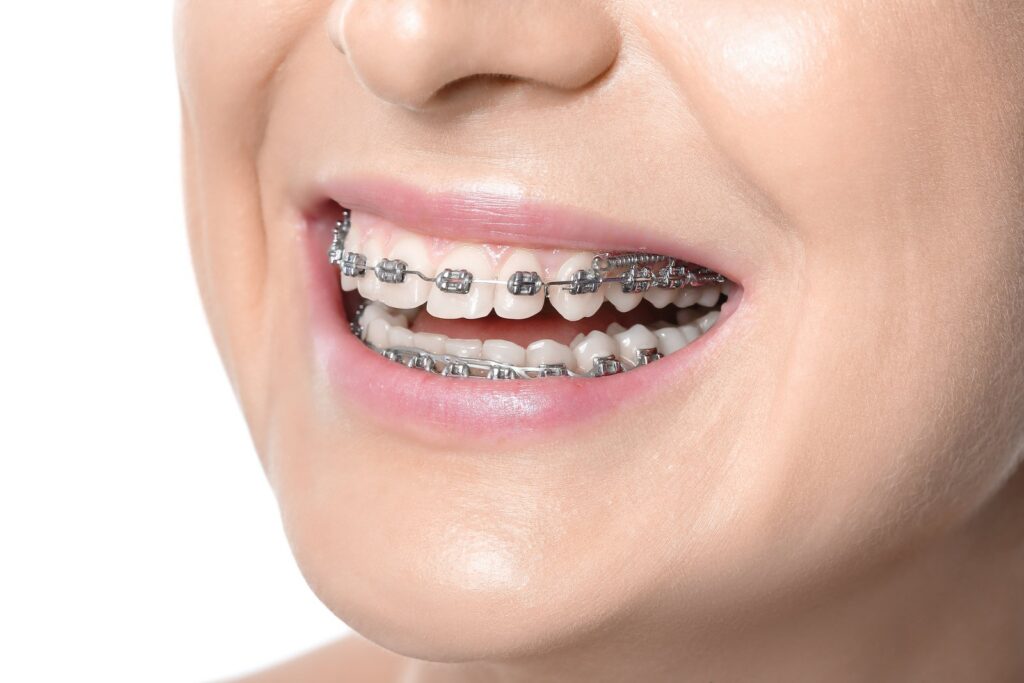
We may be able to offer flexibility in appliance choice, appointment pacing, and communication style so treatment fits your child rather than asking your child to fit treatment. This can include choosing traditional metal braces or clear options based on comfort and tolerance, or adjusting how instructions are given so a child with communication differences can follow along. Families who want to understand appliance choices in more detail may also find our comparison of ceramic and metal braces helpful background before a consultation.
A few adjustments that often help families with children with special needs include the following:
- Scheduling appointments during quieter times of day to reduce sensory overload
- Using visual aids or simple demonstrations before starting any new step
- Allowing a parent or caregiver to stay close throughout the visit
- Building in breaks during longer appointments when needed
None of these adjustments change the quality of the orthodontic care your child receives. They simply make it easier for your child to receive that care with less stress for everyone involved.
Working With Your Child’s Care Team
Many children with special needs already see several providers, from a pediatrician to a physical or occupational therapist to a behavioral specialist. We are glad to coordinate with that team when it helps your child’s care, whether that means adjusting the pacing of treatment around another therapy schedule or simply understanding a diagnosis well enough to plan appointments thoughtfully. If your child has a communication device, a preferred way of being approached, or specific sensory triggers, sharing that information ahead of time helps us prepare the visit around your child rather than figuring it out in the moment.
Why Early Conversations Matter
Reaching out before your child’s first visit gives us a chance to understand their specific needs ahead of time rather than learning everything in the waiting room. A short conversation about your child’s diagnosis, communication style, or sensory triggers helps us tailor the visit to your child rather than a generic first appointment.
This early planning also applies to early intervention for younger children with special needs, since catching certain bite or jaw development concerns sooner can sometimes make later treatment simpler. Whether your child is just starting to see an orthodontist or has been through dental visits before that felt difficult, that conversation is a good place to begin.
Compassionate Orthodontic Care at McCullum Orthodontics
Every family deserves an orthodontic team that sees their child as an individual rather than a diagnosis. From flexible appointment pacing to a treatment plan tailored to your child’s comfort and abilities, we bring both clinical skill and personal understanding to the care of patients with special needs throughout Jeffersonville and the surrounding Southern Indiana communities. You can learn more about our approach and Dr. McCullum’s background on our meet the doctor page, or review the full range of care we offer on our orthodontic consultations page.
If you have been putting off orthodontic care because you were not sure your child’s needs would be understood, we would like the chance to show you a different experience. When you are ready, reach out to us to talk through what your child may need.
Frequently Asked Questions About Orthodontic Care for Special Needs
Can my child visit the office before starting treatment?
Yes. We welcome a familiarization visit that involves no treatment, just an opportunity to see the office, meet our team, and sit in a chair. Many families find this makes the first real appointment feel far less unfamiliar for their child.
What should I share with your team before our first appointment?
Details about your child’s communication style, sensory sensitivities, preferred way of being approached, and any diagnoses that affect how they experience a dental visit are all helpful. A short conversation ahead of time lets us prepare the appointment around your child rather than adjusting on the spot.
Can appointments be scheduled at quieter times of day?
Yes. We can work with you to find appointment times when the office tends to be less busy, which can reduce sensory overload for children who are sensitive to noise, crowding, or long waits.
Are treatment options different for children with special needs?
The clinical options are generally the same, but the choice among them often reflects comfort and tolerance more heavily. We may recommend a particular appliance type, a different appointment pace, or additional preparation steps based on your child’s individual needs.
Can a parent or caregiver stay in the room during treatment?
Yes. We understand that having a familiar caregiver close by can make a significant difference in how a child experiences a visit, and we welcome a parent or caregiver staying nearby throughout the appointment whenever that helps.